From Layout to Lighting: Makeovers That Feel Like Home

Join us as we explore Layout‑to‑Lighting Home Makeovers, guiding you from room flow decisions to layered illumination that flatters every surface. You’ll find practical frameworks, inspiring stories, and smart shortcuts to reimagine comfort, efficiency, and beauty—so your spaces feel intentional, welcoming, and wonderfully alive.

Mapping Flow Like a Designer

Measure, Sketch, and Test Sightlines

Start with tape measures and a simple grid. Capture window widths, swing of doors, heater clearances, and outlet placements, then sketch sightlines from favorite seats. You’ll see where clutter gathers, what views deserve framing, and which corners could beautifully host light, storage, or plants.

Zoning for Real-Life Routines

Define activity zones around real routines: prep-and-chop, homework-and-art, lounging-and-charging, stretching-and-breathing. Boundaries can be rugs, lighting pools, or shelving, not walls. When zones align with habits, daily transitions feel effortless, conversations flow, and every square meter works harder without crowding or constant tidying battles.


Anchors, Focal Points, and Negative Space

Choose a few strong anchors—fireplace, picture window, book wall, textured headboard—and protect negative space around them. Accents should support those choices, not compete. The result is calmer sightlines, easier cleaning, and a room that invites attention to exactly what matters most.

Furniture Placement That Breathes

Scale matters more than catalog photos suggest. Allow generous walkways, leave breathing room around doors and windows, and test conversational distances before committing. Floating pieces can create gentle boundaries while preserving openness, making rooms feel larger, kinder to movement, and far more social.

Right-Size Every Piece

Use painter’s tape to outline sofas, beds, and tables on the floor. Stand inside the shapes and simulate daily moves—tray carry, toy pickup, laptop drop. If you bump imaginary corners, size down or choose lighter legs, glass surfaces, and rounded edges.

Conversation Triangles and TV Truths

Arrange seating so voices carry comfortably at low volume, ideally within a gentle triangle. If screens are involved, mind viewing angles and reflections from windows. Prioritize eye contact over technology, and carve media into a flexible zone rather than a demanding altar.

Edges, Rugs, and Floating Layouts

Anchor groups with rugs sized to hold front legs or entire pieces. Pull furniture slightly from walls to improve acoustics and circulation. A few inches of air make rooms feel curated, not cramped, while inviting lamps and art to join the composition.

Harnessing Daylight Without Glare

Natural light is free magic, but it needs guidance. Understand orientation, seasonal angles, and neighborhood reflections. Use diffusing layers to soften extremes while preserving views. Done well, mornings feel gentle, afternoons productive, and evenings glow without harshness or headaches.

Layered Lighting That Works Hard

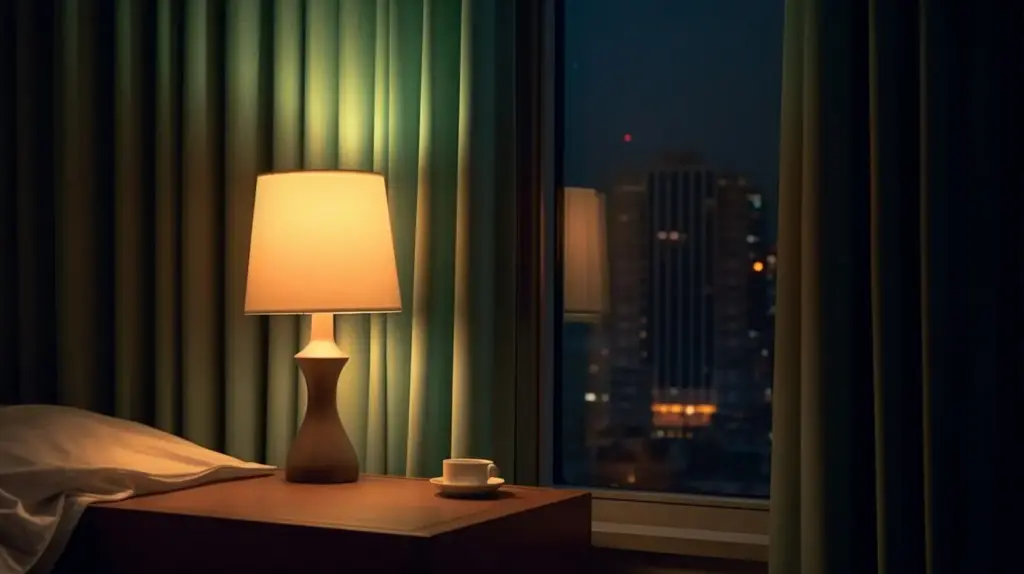
Great lighting is choreography: ambient for safety, task for precision, and accents for emotion. Blend sources, heights, and color temperature, then add dimming and zones. Your home becomes adaptable—focused for work, cozy for evenings, and celebratory with a simple tap.

Set the Ambient Foundation

Aim for even, glare-free base light using ceiling fixtures, cove lighting, or wall washes. Replace lone center bulbs with dimmable, overlapping pools. When the canvas is comfortable, every task lamp, pendant, or candle reads intentionally rather than fighting a harsh backdrop.

Targeted Task Precision

Bring brightness exactly where hands and eyes work: under-cabinet strips for chopping, swing-arm lamps for reading, pendants over islands, and vanity lights beside mirrors. Keep color temperature consistent to avoid fatigue, and ensure switches are reachable without awkward stretching or shadows.

Color, Materials, and Mood

Surfaces and hues reshape light. Warm whites calm, cool whites sharpen, and rich pigments absorb just enough to feel grounded. Balance reflectance with texture so rooms neither glare nor dull. Materials should invite touch, flatter skin, and photograph beautifully without filters.

Small Spaces, Big Moves

Constraints spark creativity. Choose flexible furniture, tuck storage into forgotten inches, and use light to expand perception. We love hearing your breakthroughs—share your toughest puzzle, subscribe for weekly ideas, and tell us which trick finally made your studio or hallway feel generous.
Fexofafufevi
Privacy Overview

This website uses cookies so that we can provide you with the best user experience possible. Cookie information is stored in your browser and performs functions such as recognising you when you return to our website and helping our team to understand which sections of the website you find most interesting and useful.