
Let Daylight Lead: Smart Layout Moves That Brighten Every Room

Today we dive into maximizing daylight through strategic floor plan changes, revealing how subtle shifts in walls, doorways, and room zoning turn dim interiors into vibrant, uplifting spaces. We will map sun paths, leverage borrowed light, and pair material choices with smart geometry so your home feels brighter, healthier, and wonderfully alive all day.

Follow the Sun: Orientation, Site, and Daily Rhythms

Morning Energy, Evening Calm

Locate breakfast nooks, desks, and exercise corners toward the east to catch crisp morning sun that boosts alertness, then reserve west-facing rooms for relaxed, late-day gathering with controlled shading. This simple zoning respects circadian rhythms, reduces reliance on artificial lighting, and makes every hour feel intentionally supported by light.

Depth That Daylight Can Reach

Shallow plans invite light to penetrate; deep plans starve interiors. Keep room depths within comfortable multiples of window height, and break up long spans with interior glazing or slots. By limiting depth and layering transparency, daylight distributes evenly, avoiding those gloomy, underlit corners that otherwise demand constantly powered fixtures.

Circulation at the Core

Place hallways, storage, and service zones at the plan’s darker heart, freeing the perimeter for living, working, and sleeping spaces that deserve daylight. When movement paths hug the core, perimeter rooms gain bigger openings, longer sightlines, and more flexible furniture layouts that cooperate with the sun instead of blocking it.


Edit the Walls: Openings, Lines, and Thresholds

Strategic removals and precise additions change how light flows. Widen doorways, raise heights, add transoms, and use interior glass to let brightness travel farther while maintaining acoustic control. Thoughtful thresholds choreograph transitions, guiding light like a gentle current from bright edges toward the middle without sacrificing privacy or comfort.

Bring Light From Above: Skylights, Wells, and Clerestories
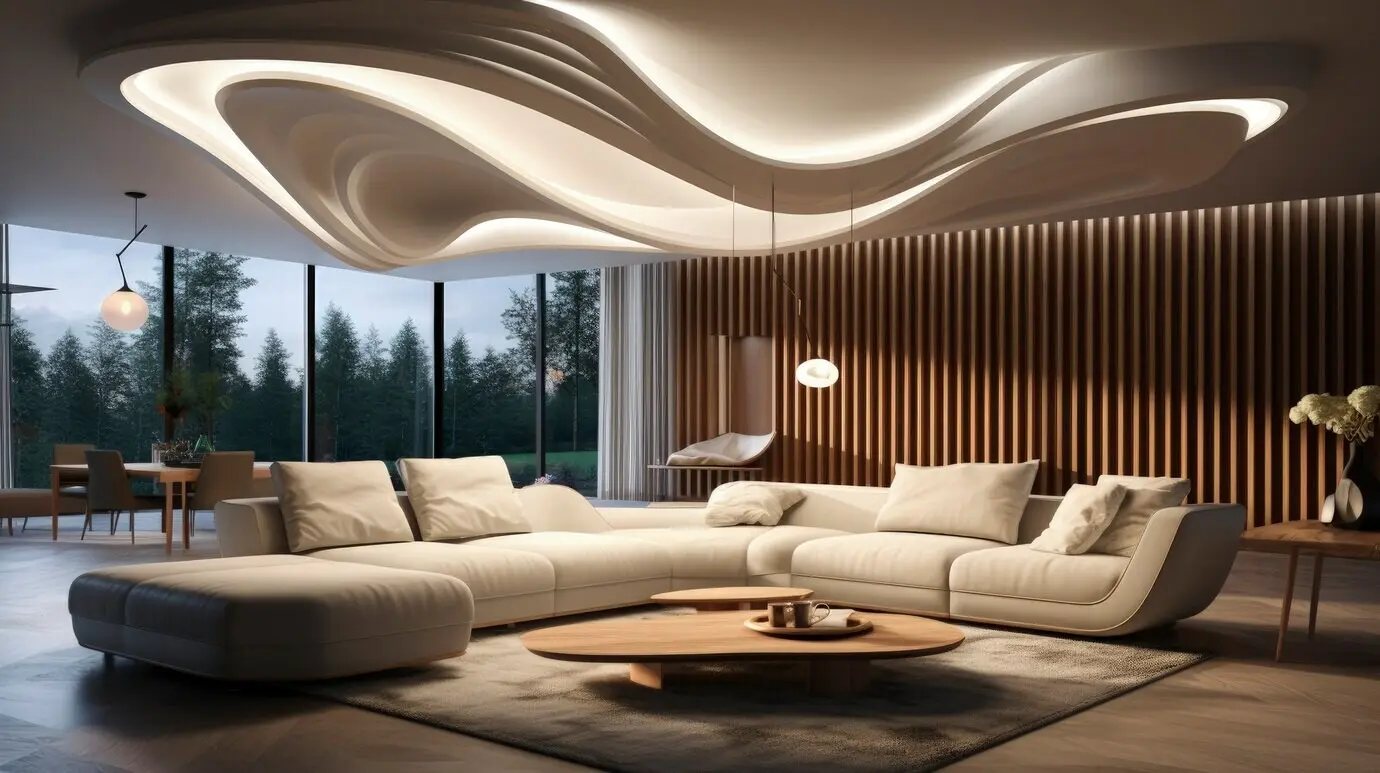
Vertical apertures deliver daylight deep into the plan where side windows cannot reach. Consider roof windows, tubular devices, clerestory bands, and narrow light wells that respect structure and weather. When sized and shaded correctly, overhead light feels gentle, expands volume, and reduces the urge to switch on ceiling fixtures early.

Palettes That Glow Without Dazzle

Favor light, neutral bases with a few deep accents to anchor contrast. Whites with a hint of warmth keep skin tones pleasant, while satin or matte finishes reduce specular hotspots. Complement with natural woods and woven textures so reflected light feels human, layered, and quietly sophisticated across changing seasons.

Shape the Opening, Shape the Light

Chamfered or splayed jambs increase sky view and bounce light across ceilings, while deep window seats invite lingering without blocking the aperture. Consider modest light shelves that reflect high-angle sun upward. These small details compound perception, making rooms seem larger, calmer, and more inviting from morning until twilight.

Mirrors, Metal, and Restraint

Mirrors and metallic accents can extend light dramatically, but restraint is essential. Place mirrors perpendicular to windows to avoid harsh bounce, and choose brushed rather than polished metals. Used thoughtfully, reflective accents create depth and sparkle that complement natural light instead of competing with it or introducing eye strain.

Measure What Matters: Modeling, Metrics, and Tuning

Objective feedback clarifies which changes truly brighten life. Use climate-based daylight modeling to test ideas before construction, and track results afterward with simple lux readings and occupant impressions. Balancing sDA, ASE, and glare potential helps you deliver luminous rooms that stay comfortable, efficient, and pleasing from daybreak to dusk.

A Bright Turn for a Family Apartment

In a compact city flat, we rotated the living room toward the southeast and pushed storage and baths to the core. A narrow light shelf and interior clerestories carried sun across the plan. Daylight autonomy improved dramatically, but the bigger win was quieter mornings and happier homework time.

Why Bodies and Brains Thank the Sun

Natural light cues circadian clocks, strengthens visual acuity, and reduces stress. When layouts channel brightness to the right places at the right hours, people move more, read longer, and complain less about glare. The payoff includes productivity, mood stability, and a sense of generous space without adding square meters.

Tell Us Where Sunlight Should Lead You Next

Sketch your plan, mark the darkest corners, and dream about moving one wall, adding one interior window, or lifting one doorway. Share your questions and sketches in the comments, subscribe for detailed guides, and join readers trading photos and successes as their spaces grow calmer, brighter, and more intentional.

Fexofafufevi
Privacy Overview

This website uses cookies so that we can provide you with the best user experience possible. Cookie information is stored in your browser and performs functions such as recognising you when you return to our website and helping our team to understand which sections of the website you find most interesting and useful.