
Light That Moves With Your Life
Today, we dive into integrating smart lighting with room reconfiguration in modern homes, exploring how fixtures, sensors, and controls adapt when a living room becomes a workspace, a nursery shifts into a studio, or a dining area hosts movie night. Expect practical frameworks, real anecdotes, and actionable tips that help lights follow furniture and routines without rewiring chaos. Share your own experiments, subscribe for deeper guides, and let adaptive illumination evolve alongside the changing stages of your home.
Mapping spaces that never sit still
Start by documenting activities hour by hour, then place lighting layers for tasks, ambiance, and safety that can follow those changing patterns. Sketch furniture you might move quarterly and note likely traffic paths. Group fixtures by desired outcome, not by static location. A family calendar often dictates better zoning than a floor plan. Invite every household member to weigh in, because the best map reflects real routines, not architectural drawings.
Choosing protocols that survive remodels
When walls shift, resilient networks keep functioning. Favor protocols with strong local control, broad vendor support, and graceful degradation during outages. Matter promises common language, while Zigbee and Thread offer proven mesh reliability. Plan bridges and gateways like utility rooms. Avoid lock-in where a single app dictates behavior. Think forward: firmware updates, spare device availability, and commissioning tools you can actually use without calling a contractor at midnight.
Power and safety without drywall drama
Reconfiguration thrives when power is accessible and safe. Consider track systems, plug-in drivers, and surface-mounted raceways that meet code while avoiding invasive demolition. Dimmer modules and smart plugs can decouple control from location. Label everything meticulously for future you. Use load calculations that include likely additions, not current fixtures only. Battery backups for critical lights ensure safe navigation during outages, especially when partition walls temporarily change escape paths.
Layered light for shifting activities
Combine accent, task, and ambient layers that can be toggled independently, letting a reading nook travel with the chair rather than the wall outlet. Place portable task lamps on smart plugs, pair them with ceiling wash lights, and group by function. Save multi-room scenes that cross thresholds, so a weekend maker zone can spill into the hallway. Use warm accents to ground social scenes when partitions open and echo increases.
Circadian and wellness considerations
Reconfiguration should not break daylight rhythms. Tie tunable white fixtures to time or sensor-measured illuminance so bedtime remains gentle and mornings stay crisp. As desks migrate, maintain vertical illuminance near eyes to reduce fatigue. Keep late-night pathways dim and warm. Consider household members with sensory sensitivities; slower fades, predictable color transitions, and quiet drivers can materially improve comfort. Let wellness scenes override decor impulses when sleep or study needs conflict.
From static presets to responsive automations
Presets are a starting line, not the finish. Use conditions like presence, window shades, and calendar events to adapt scenes on the fly. If the sofa rotates toward a projector, let motion near the media cart cue bias lighting. Add safeguards so voice commands never blast brightness during midnight water runs. Always maintain a manual override path, ensuring guests and grandparents can recover from automation surprises with one clearly labeled control.
Designing Scenes That Respect Layout Shifts
Scenes should honor the activity, not the furniture’s last known position. Define outcomes like focus, social, unwind, and nighttime navigation, then bind those to zones that can be remapped. Color temperature, brightness curves, and fade timings influence mood more than most homeowners expect. A real-world example: Mia’s dining corner moonlights as a watercolor studio, and her “Studio Calm” scene follows the easel, not the table. Share your favorite transformations below.
Sensors, Presence, and Context
Smart lighting feels magical when it understands context. Presence, ambient light, and even sound-level cues help determine whether a bright task state or a relaxed evening glow is appropriate after a room’s layout changes. The secret is thoughtful placement and conservative logic. Over-eager sensors cause whiplash; under-tuned ones waste energy. We’ll balance detection zones with privacy, explain fallback behaviors, and show how learning schedules reduces tweaks after every furniture shuffle.
Presence beyond simple motion
Pair motion with occupancy timers, door sensors, and pressure mats to infer lingering versus passing through. A desk that migrates should carry its occupancy cue, perhaps via a small under-desk sensor on rechargeable power. Use aggregated signals to avoid false offs during quiet focus. When kids build forts, widen timeouts or use light-level thresholds to maintain comfort. Presence becomes a narrative, not a binary toggle, guiding graceful illumination shifts.
Privacy-first sensing strategies
Favor low-resolution sensing like PIR, mmWave with careful zoning, and ambient light sensors over cameras in private spaces. Keep all processing local where possible and disclose behaviors to household members. Provide a physical privacy switch that visibly disables automations during sensitive moments. Consider guests: temporary profiles can limit data retention and dampen automation aggressiveness. Respect builds trust, and trusted systems are used consistently, which keeps lighting coherent as rooms transform.
Calibrating sensitivity after furniture moves
Every layout change alters reflections, shadows, and line-of-sight paths. After reconfiguration, walk each space with logging enabled and adjust sensor angles, detection ranges, and delay timers. Rebalance lux thresholds to account for new curtains or glossy surfaces. Train family members to run quick calibration routines after big moves. Document settings tied to layouts so you can roll back. Iteration beats perfection, and minor tweaks preserve the illusion of intelligent awareness.
Furniture, Partitions, and Wiring Strategies
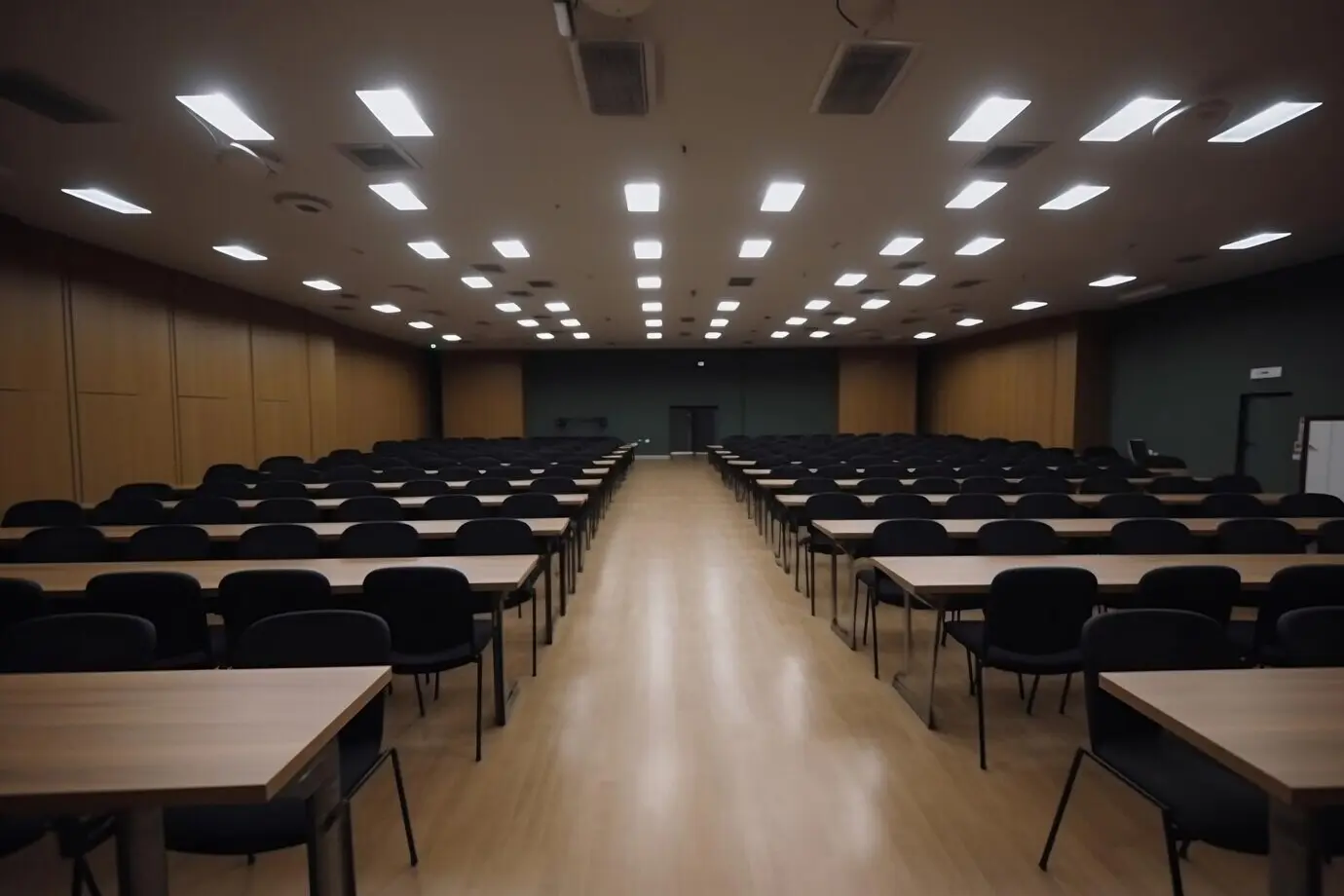
Adaptive rooms rely on hardware that welcomes change. Sliding partitions, rolling shelves, and modular sofas demand lighting that mounts, powers, and communicates flexibly. Think magnetic tracks, quick-release pendants, and cable management hiding re-routable leads. When a wall appears for a semester, lights should leap gracefully onto it. We’ll cover safety codes, renter-friendly options, and clever ways to stage temporary zones without ugly extension cords or confusing control maps.
Voice, Apps, and Tangible Controls
As rooms evolve, controls must remain obvious. Voice can trigger scenes from anywhere, apps offer granular tuning, and tactile switches provide instant confidence. The trick is naming, labeling, and consistency. If “Focus Corner” becomes “Studio Bay,” commands and buttons should update too. Provide redundancy so guests never feel trapped in a dark hallway. We’ll design a control ecosystem that feels natural, playful, and forgiving, even during constant rearrangements.

Data, Security, and Reliability
Flexible homes deserve dependable systems. Prioritize local control, encrypted communication, and predictable behavior when the internet stumbles. Mesh networks should self-heal after furniture blocks signals. Keep firmware updated at humane schedules and maintain spares for critical nodes. Test emergency lighting paths whenever partitions appear. Finally, invite community feedback: share your layouts, report quirks, and subscribe to learn from others attempting integrating smart lighting with room reconfiguration in modern homes, refining resilience together.