
Layered Lighting That Transforms Open-Plan Living
Step into a brighter way to shape expansive rooms. Today we explore layered lighting for open-plan homes, balancing ambience and function by blending ambient, task, and accent strategies. Expect practical layouts, fixture ideas, control tips, and small style moves that deliver comfort, clarity, and character from sunrise to late-night wind-downs. We’ll show how thoughtful layers create zones without walls, harmonize with daylight, and keep family life flexible, welcoming, and beautifully coherent throughout every part of your shared space.
Building the Foundation: Ambient, Task, and Accent Working Together

Ambient That Calms and Connects
Treat ambient light as the room’s gentle heartbeat. Cove lighting, recessed downlights set to wide beams, or large diffusers can smooth visual noise and unify sprawling areas. You want consistent brightness that avoids hot spots, glare, and distraction, enabling conversation to flow and eyes to relax. Pair softer levels with reflective ceilings or pale walls, allowing light to bounce beautifully. With dimmers, shift from lively family bustle to a cozy evening glow that invites connection without visual clutter or fatigue.
Task That Sharpens Without Harshness
Precise beams belong where hands work and eyes focus: kitchen islands, prep counters, desks, craft tables, or reading chairs. Use pendants with proper shielding, under-cabinet LED strips with high color rendering, and adjustable spots aimed carefully. Keep brightness tailored to the task yet avoid harsh contrasts by supporting with gentle ambient light. Select warm-to-neutral color temperatures that keep food appealing and text legible. Layered properly, clarity increases without the harsh, sterile feel that can make open areas seem clinical or exhausting.
Accent That Adds Depth and Story
Accent light is your storyteller, drawing attention to art, architectural texture, plants, bookshelves, or a treasured heirloom. Use narrow beams to sculpt shadows and reveal depth across a wide room. A wall-wash can expand perceived width, while grazers lift texture on brick or stone. Keep brightness below task levels, so the space reads as harmonious, not chaotic. Rotate accents seasonally to refresh the mood, and watch your home feel curated, personal, and layered with meaning, not just uniformly illuminated.
Visual Borders with Height, Rhythm, and Pooling
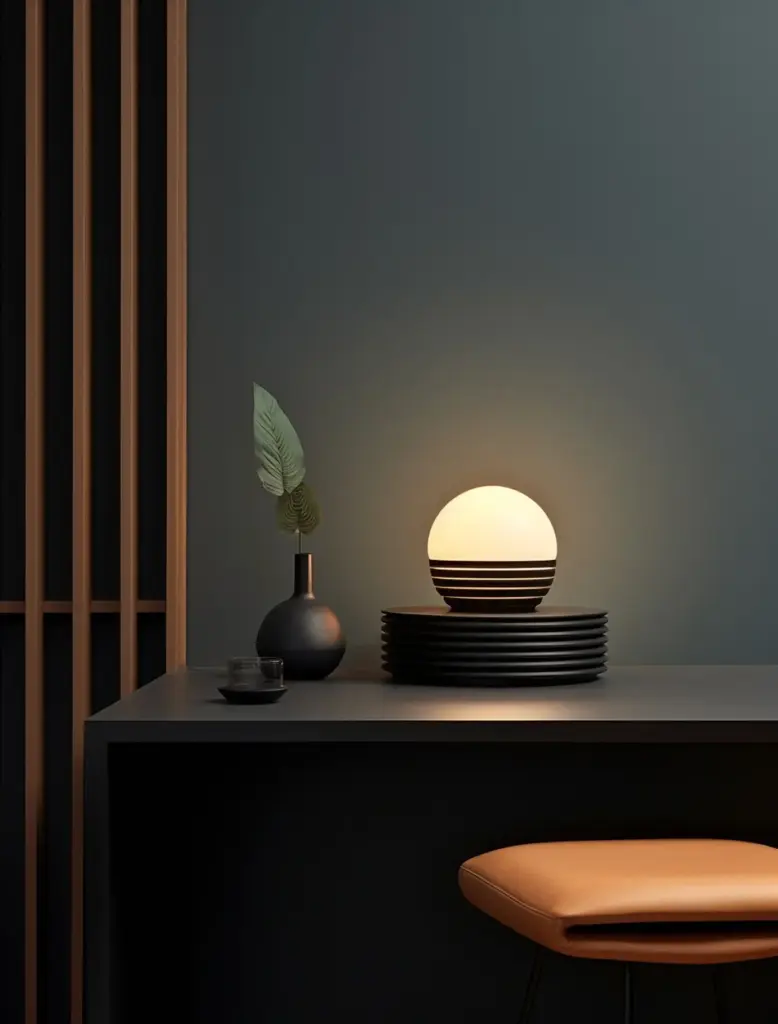
Create a rhythm by varying mounting heights and pooling light strategically. A linear pendant over the island sets a functional boundary, while a sculptural chandelier marks the dining table as a destination. Sconces can flank a reading nook, signaling retreat. Recessed lights on a perimeter circuit frame circulation paths without flooding the entire floor. This choreography guides feet and feelings alike, making expansive interiors intuitive. People naturally gravitate toward comfortable pools, and your plan quietly suggests where stories, meals, and rest can unfold.

Scene-Based Dimming for Mood and Multitasking
One button press can gracefully shift a home from homework hub to dinner party haven. Program scenes that elevate task light while taming accents for productivity, then soften ambient levels and highlight art for evening conversation. Maintain layers on separate circuits so adjustments stay nuanced, not all-or-nothing. Dim to reduce glare on screens without killing kitchen visibility. Scene-based control adds hospitality-level polish to daily life, reducing decision fatigue and giving you a reliable, repeatable recipe for balance across every activity that shares space.


Daylight, Windows, and the Art of Balance
Natural light is a generous collaborator, yet it changes by season, weather, and hour. Plan artificial layers to complement rather than compete. Understand where glare might sneak in, when rooms appear flat, and how reflections bounce across glossy surfaces. Light-colored ceilings, matte counters, and controlled window treatments help calm intense sun. As twilight arrives, your ambient layer can catch the fading edges, while accents revive depth. The goal is a steady, comfortable experience from bright mornings to dim, reflective nights.
Fixtures, Scale, and Placement That Fit Big Rooms
Large interiors crave proportional fixtures and thoughtful spacing. Oversized pendants can feel elegant rather than overpowering if scaled to the island or table. Recessed lights should favor wider beams and smart placement over dense grids. Wall-washes flatten dark corners, while floor lamps add intimacy where ceilings soar. Choose glare control features—baffles, lenses, or shades—and prioritize high color rendering for natural materials. With balanced scale and careful aiming, fixtures become instruments in a well-tuned orchestra, never shouting, always supporting the room’s rhythm and comfort.

Pendants and Chandeliers That Feel Proportional
Measure the island width and table dimensions before choosing statement pieces. A pendant’s diameter, quantity, and hanging height determine whether it frames the surface or visually crushes it. Leave sightlines open for conversation across the room. Incorporate diffusers or shades to soften brightness and avoid downward glare. When in doubt, test with cardboard cutouts or painter’s tape. Proportion delivers confidence and calm, allowing a dramatic form to glow as a welcoming landmark rather than a heavy object hovering nervously over daily life.
Recessed Patterns That Wash, Not Blind
Resist the ceiling “acne” of too many downlights. Use wider beam spreads, thoughtful spacing, and dimmable circuits to achieve even ambient levels. Add wall-wash trims along perimeters to brighten vertical surfaces, increasing the perception of spaciousness. Aim accent downlights carefully to avoid scallops where they distract. Choose trim styles with baffles or low-glare optics. By prioritizing vertical illumination and soft gradients, you’ll minimize hard shadows and keep eyes comfortable, creating a luminous backdrop where task and accent lights can perform their best supporting roles.
Portable Lights That Flex with Life
Floor and table lamps offer agility in changing households. Place a slender floor lamp behind a sectional to define conversation space, and a table lamp near a chair to create a reading retreat. Cord management matters in open layouts; use low-profile channels or outlets under furniture. Opt for warm, fabric shades or dimmable LEDs to fine-tune mood. When guests arrive, portable pieces move effortlessly to expand seating zones, proving that not every lighting decision needs electrician visits to keep pace with evolving routines.
Smart Controls and Simple Routines
Separate Circuits, Grouped Layers, Effortless Scenes
Put island pendants on one circuit, under-cabinet lights on another, and perimeter ambient on a third. Group related fixtures so a single button shapes a whole zone without micromanaging ten dimmers. Keep a few universal scenes—Welcome, Cook, Dine, Unwind—then tweak levels slowly to refine. Label clearly so guests can participate comfortably. The magic appears in repeatable simplicity: consistent, reliable settings that serve function and feeling, whether you’re chopping vegetables, helping with homework, or savoring a late conversation under soft, flattering highlights.
Sensors, Schedules, and Reliability You Can Trust
Hallways and pantries love occupancy sensors; living areas prefer gentle time-based scenes. Use sunrise offsets, not rigid times, to keep mornings intuitive year-round. Avoid over-automation that second-guesses people’s intentions, and choose reputable dimmers compatible with your LEDs. A rock-solid system protects ambiance from flicker or pop-on surprises. When everything simply works, you stop thinking about switches and start enjoying a home that anticipates needs gracefully, preserving the layered balance that makes open spaces feel artful rather than chaotic or demanding.
A Dinner Story About Hospitality by Light
At a recent gathering, a host tapped one button: island pendants softened, art highlights warmed, and gentle cove light wrapped the room. Guests could read menus without squinting, clink glasses without glare, and migrate easily between kitchen chatter and sofa laughter. Nobody mentioned lighting, yet everyone lingered. Later, task levels rose seamlessly for cleanup, then fell to a twilight hush. That effortless arc—from lively to intimate—came from layered planning, patient aiming, and scenes rehearsed until the home felt like a gracious collaborator.
Budgets, Phasing, and Common Pitfalls
Great lighting is possible at many price points. Invest where impact and usage are highest—kitchens, dining, and main lounge—then phase extras like specialty accents or tunable white. Choose fixtures with good optics and reliable dimming before chasing exotic features. Beware ceiling grids without purpose, overly cool color temperatures, and bare bulbs that glare across glossy finishes. Even small upgrades—dimmers, shades, improved CRI—can elevate experience. With priorities clear, you can build a layered, resilient plan that grows gracefully alongside your evolving open-plan life.
Good-Better-Best: Invest Where It Counts
Start with quality dimmers and well-placed ambient, then add targeted task light where performance matters most. Next, layer accents to impart depth and identity. If the budget breathes, consider smart controls and tunable white for lived-in nuance. Avoid spreading funds too thin; meaningful upgrades in a few strategic areas outperform a uniform but forgettable approach. Ask which corners you use daily, and let those anchor investments. The result feels considered, generous, and tailored without overspending or sacrificing long-term comfort.
Renovation Realities Versus New-Build Freedom
In renovations, chase wins that do not require major rewiring: wireless dimmers, plug-in floor lamps, and battery-powered picture lights. Use surface-mount fixtures where ceilings resist modification, and lean on wall-washers to enlarge perception. In new builds, pre-plan circuits, ceiling details, and switch locations for future flexibility. Either way, mock up with temporary lamps to audition brightness and beam angles. This blend of vision and pragmatism ensures layered intentions survive construction dust, budgets, and the beautiful messiness of real family schedules.
Mistakes to Avoid and Quick Course Corrections
Skip the temptation to blanket ceilings with identical downlights. Prevent glare by choosing proper shielding and avoiding exposed, ultra-bright sources near eye level. Keep color temperatures consistent within zones to avoid visual dissonance. If a room feels flat, add vertical illumination or a focused accent. When task areas seem harsh, soften with ambient fill and lower contrast ratios. Most missteps are fixable with aiming tweaks, dimmer adjustments, and strategic additions, proving that layered harmony is more practice than perfection.